


How to Get a Tech Job Without Experience in 2026: A Realistic Step-by-Step Plan
Have you ever wondered how to get a tech job without experience in 2026?
The biggest myth in the tech job market is that companies hire based on experience.
They don’t.
They hire based on evidence.
Evidence that you can solve problems.
Evidence that you can learn quickly.
Evidence that you can work with other people.
Evidence that you can finish what you start.
Most junior developers believe they need more time, more tutorials, or more certificates before applying. But the real barrier is usually something else:
They don’t know what evidence employers are actually looking for.
This guide is not motivational.
It is operational.
You will not find vague advice like:
“Keep learning.”
“Build projects.”
“Network more.”
Instead, you will find a clear structure that shows exactly how candidates with zero professional experience become employable in the real market.
Not overnight.
Not magically.
But predictably.
The Real Problem Isn’t Lack of Experience, It’s Lack of Signal
Recruiters don’t reject candidates because they are beginners.
They reject candidates because they cannot answer one simple question:
“Can this person do the job?”
Your resume, portfolio, GitHub, and LinkedIn are not documents.
They are signals.
Weak signals get ignored.
Clear signals get interviews.
The goal of this plan is simple:
Turn your profile into undeniable evidence.
Step 1- Stop Learning Randomly and Define Your Target Role
Before building anything, you must answer one question:
What exact job are you trying to get?
Not: “Something in tech.”
Not: “Any programming job.”
A specific role.
For example:
- Frontend Developer
- Backend Developer
- Data Analyst
- QA Engineer
- DevOps Engineer
Different roles require different evidence.
A Data Analyst portfolio looks completely different from a Backend Developer portfolio.
Candidates who skip this step waste months building the wrong projects.
The 3 Questions That Define Your Direction
Answer these honestly.
Question 1. What technologies do you already know?
Not perfectly.
Not professionally.
Just what you can use without tutorials.
Question 2. What role appears most frequently in job postings for your skills?
Look at real job descriptions.
Not courses.
Not YouTube videos.
Real job postings.
Question 3. What role can you realistically reach in the next 3–6 months?
Your first job is not your dream job.
It is your entry point.
Step 2- Build Projects That Prove You Can Work, Not Study
Most beginner portfolios look like homework.
They contain:
- tutorial clones
- unfinished apps
- random experiments
Recruiters recognize these immediately.
What they want to see is different:
They want proof that you can solve problems.
The 3 Types of Projects That Get Interviews
You do not need many projects.
You need the right projects.
Type 1: The Real-World Problem Project
This project solves an actual problem.
Examples:
A system to manage appointments
A budgeting app
A task tracker
A job application tracker
What matters is not complexity.
What matters is usefulness.
Type 2: The Data or Integration Project
This project shows that you can work with external systems.
Examples:
API integration
Database management
Authentication system
Data visualization
These projects demonstrate technical maturity.
Type 3: The Production-Level Project
This project shows professionalism.
It includes:
documentation
error handling
clean structure
deployment
Most candidates never reach this level.
The ones who do get interviews.
How Many Projects Do You Actually Need?
Not ten.
Not twenty.
Three to five strong projects are enough.
But they must be:
complete
documented
deployed
understandable
Quality beats quantity every time.
Step 3- Make Your GitHub Profile Look Like a Professional Workspace
Recruiters rarely read resumes first.
They open GitHub.
And they make a decision in seconds.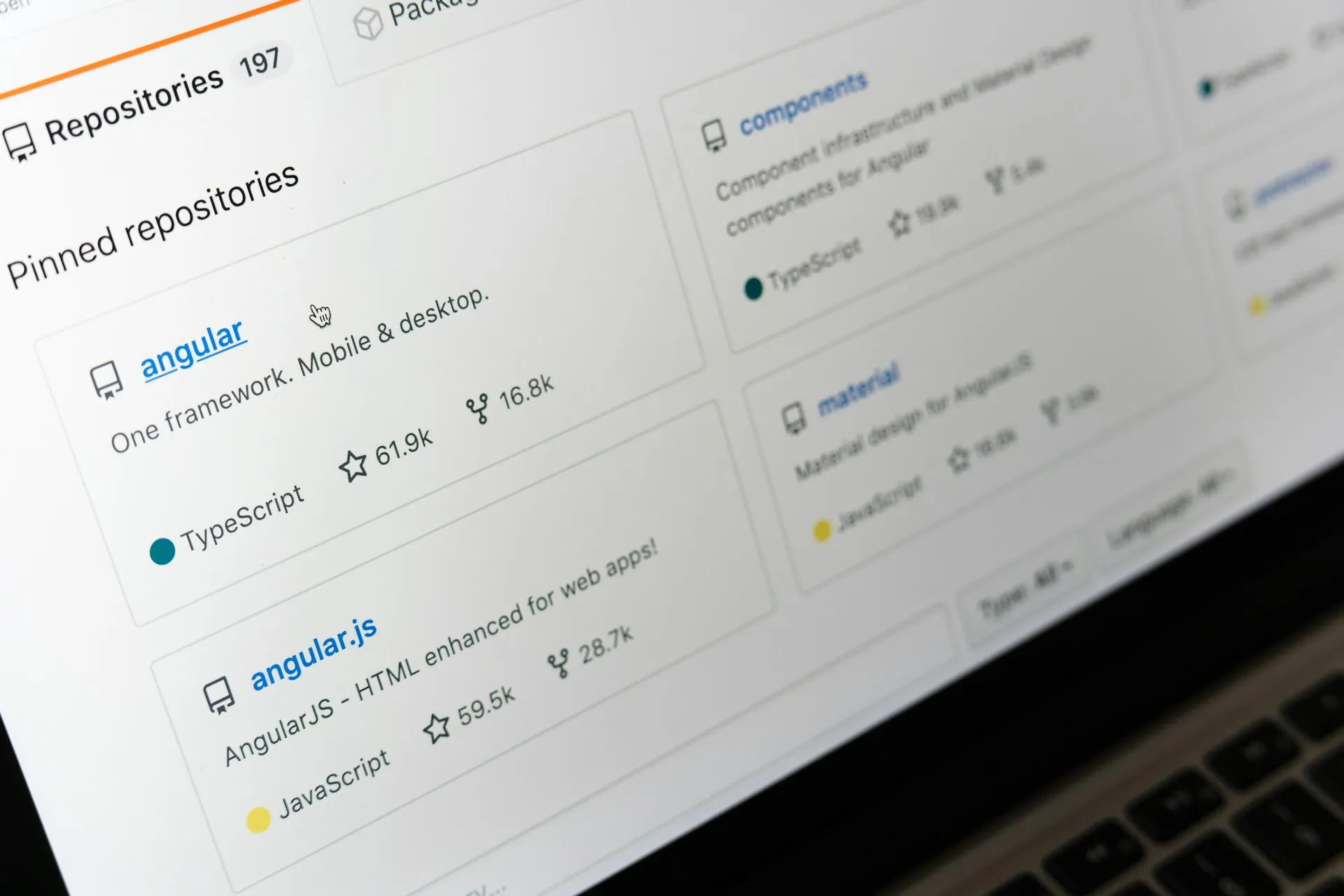
What Recruiters Look for in GitHub
They scan for:
recent activity
organized repositories
clear documentation
realistic projects
They are not counting commits.
They are evaluating professionalism.
The Minimum GitHub Standard
Your profile should include:
A clear profile description
Pinned projects
Readable README files
Screenshots or demos
Working links
Without these elements, your projects look unfinished.
And unfinished work signals risk.
Step 4- Build a Resume That Gets Interviews, Not Compliments
A good resume is not impressive.
It is effective.
Its only job is to get interviews.
The Resume Structure That Works for Junior Developers
Header
Summary
Skills
Projects
Education
Experience
Nothing else.
No icons.
No graphics.
No long paragraphs.
Just clarity.
The Most Important Section Is Projects
For candidates without experience, projects are experience.
Each project entry should include:
Project name
Short description
Technologies used
Problem solved
Result achieved
Example:
Built a task management application using React and Node.js that allows users to create, update, and track tasks in real time.
Step 5- Apply Strategically, Not Desperately
Most job seekers apply to everything.
This feels productive.
But it rarely works.
Employers notice when applications are generic.
The Smart Application Strategy
Use a hybrid system.
Targeted Applications
3–5 per week
These are customized.
You research the company.
You tailor your resume.
You write a short message.
These applications have the highest probability of success.
Standard Applications
10 –15 per week
These are faster.
You use your base resume.
You apply through job boards.
You keep the pipeline active.
Both are necessary.
Step 6- Track Everything
Most candidates rely on memory.
This creates confusion.
Instead, build a simple tracking system.
Track:
Company
Role
Date applied
Status
Next action
This transforms job searching from guessing into strategy.
Step 7- Prepare for Interviews Before They Happen
Waiting for an interview before preparing is a mistake.
Preparation should start immediately.
The 4 Interview Skills You Must Practice
Technical problem solving
Communication
Debugging
Explaining decisions
Most candidates fail not because they lack knowledge.
They fail because they cannot explain their thinking.
The Timeline Most People Don’t Expect
Getting your first tech job takes time.
Usually:
3 to 6 months
Sometimes:
Longer
Rarely:
Instant
But progress compounds.
Every project improves your signal.
Every application increases probability.
Every interview builds confidence.
The Real Goal Is Not a Job, It’s Momentum
The first job is not the finish line.
It is the starting point.
Once you have professional experience:
The market changes.
Recruiters respond faster.
Opportunities multiply.
Confidence grows.
Final Thoughts
You do not need experience to get hired in tech.
You need evidence.
Evidence that you can build.
Evidence that you can learn.
Evidence that you can finish what you start.
Focus on those signals.
And the interviews follow.