


Why You’re Not Getting Interviews for Tech Jobs (Even If You Apply Every Day)
Maybe you’re wondering why you’re not getting interviews for tech jobs. At some point during a tech job search, almost everyone reaches the same breaking point.
You open LinkedIn.
You apply again. And again. And again.
Ten applications. Fifty applications. Two hundred applications.
And still: Nothing.
No interviews. No recruiter calls.
No responses beyond automated rejection emails, if even that.
This is the moment where most developers start believing something is fundamentally wrong with them. It usually isn’t.
The uncomfortable truth is that most job seekers are not being rejected because they are unintelligent, untalented, or incapable of becoming great developers.
They are being filtered out long before anyone seriously evaluates them. And if you don’t understand where that filtering happens, you can spend months applying harder instead of applying smarter.
This article is about fixing that. Not with motivational advice. Not with generic “keep going” encouragement, with actual diagnosis.
Because getting interviews is not random. It’s a signal problem.
The Hiring Funnel Nobody Explains Properly
Most candidates imagine hiring like this: Application → Interview → Job Offer
In reality, the process looks more like this:
Application → Automated filtering → Recruiter scan → Technical evaluation → Interview pipeline → Offer consideration
Most candidates never make it past stage two.
Not because they’re bad, but because their signal is weak, unclear, or incomplete. Understanding this changes everything.
The First Mistake: Applying Without a Clear Professional Identity
One of the fastest ways to get ignored is to look unfocused.
Recruiters need to understand who you are within seconds.
If your profile says: “Frontend Developer | Backend Developer | UI/UX Designer | Data Analyst | AI Enthusiast | Cybersecurity Learner”, you are accidentally communicating uncertainty.
Specialization creates clarity, clarity creates trust, and trust creates interviews.
The Difference Between Learning and Positioning
Many junior developers are still exploring different technologies. That’s normal.
But your public positioning should still feel coherent.
A recruiter should immediately understand:
- what role you want
- what technologies you use
- what level you’re targeting
Not eventually. Immediately.
The Resume Problem Most Candidates Never Notice
Most resumes fail before a human even sees them.
Not because of experience. Because of structure.
What Recruiters Actually Scan First
Recruiters spend incredibly little time on initial resume reviews. Sometimes less than 10 seconds.
They’re looking for quick answers to specific questions:
- Can this person fit the role?
- Do they have relevant technologies?
- Do they look credible?
- Can I move them forward safely?
If the answers aren’t obvious, they move on.
Common Resume Mistakes That Kill Interviews
Generic summaries
“A passionate developer eager to learn and grow.”
This says nothing.
Unclear projects
If recruiters cannot quickly understand:
- what you built
- what technologies you used
- what problem you solved
They stop reading.
Overcrowded skills sections
Listing 35 technologies does not make you impressive.
It makes you look unfocused.
Weak project descriptions
Bad: “Created a web app using React.”
Better: “Built a task management application with React and Firebase that allows users to organize projects and track deadlines in real time.”
Specificity creates credibility.
Why Your GitHub Might Be Hurting You
Many developers assume GitHub automatically helps them. Sometimes it does the opposite.
Especially when repositories look abandoned, messy, or unfinished.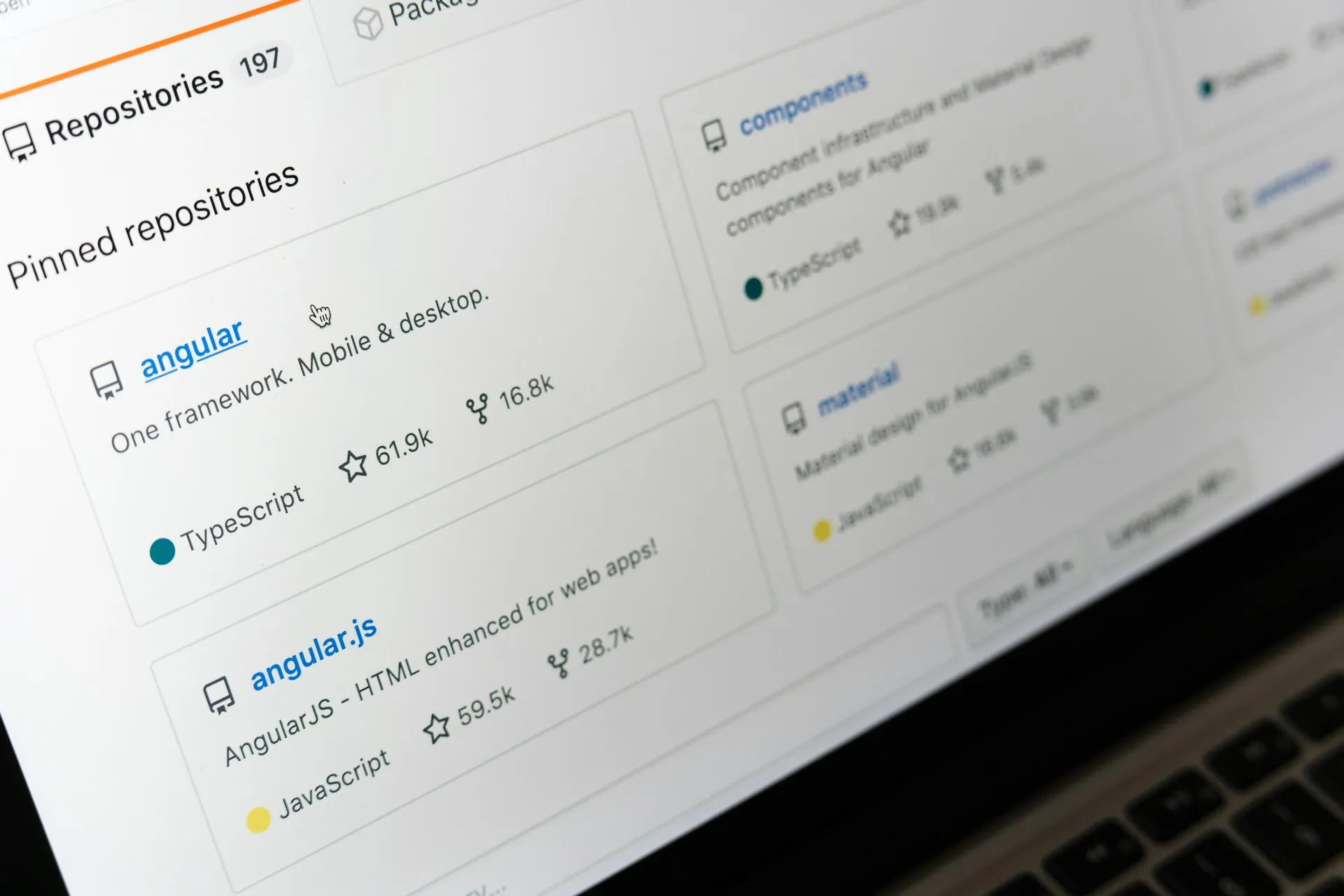
What Recruiters Look for in GitHub
They are not checking whether you code like a senior engineer.
They are checking whether you look employable.
That means:
- organized repositories
- readable README files
- active projects
- meaningful commits
- signs of problem-solving
A chaotic GitHub profile creates uncertainty, anmnd uncertainty creates rejection.
The Hidden Problem: Weak Portfolio Signals
A portfolio should answer one question: “Why should this person get an interview?”
Most portfolios fail because they prioritize visuals over evidence.
What Strong Portfolios Actually Include
- Clear role positioning
- Real projects
- Technology explanations
- Deployment links
- Problem-solving context
- Professional presentation
What Weak Portfolios Usually Include
- Generic templates
- Tutorial clones
- Broken links
- No explanations
- No context
- No clear story
Applying More Is Not Always Better
This is where many candidates make the situation worse.
Silence creates anxiety. Anxiety creates desperation.
Desperation creates mass applications, and mass applications often reduce quality dramatically.
The Quality vs Quantity Balance
The best strategy is usually hybrid:
Targeted applications
Fewer applications.
Higher quality.
Customized materials.
Standard applications
Higher volume.
Faster process.
Broader reach.
But applying to 100 jobs with weak materials rarely outperforms applying to 20 jobs with strong positioning.
The ATS Problem Nobody Mentions Correctly
Applicant Tracking Systems are not evil robots rejecting everyone automatically.
But they do filter aggressively.
Especially when:
- resumes are poorly formatted
- keywords don’t match
- titles are unclear
- skills don’t align with the posting
ATS Optimization Is Simpler Than People Think
You do not need to “hack” ATS systems.
You need clarity.
Strong ATS Practices
Use standard section headings:
- Skills
- Projects
- Experience
- Education
Match terminology from the job posting naturally. Keep formatting simple.
Use readable fonts. Export as PDF unless otherwise requested.
Why Recruiters Don’t Respond (Even When You Qualify)
Many candidates wonder why recruiters don’t respond, even when they seem qualified for the role. This is one of the hardest realities in tech hiring.
Sometimes you are qualified. And they still don’t respond.
Why?
Because hiring is not purely merit-based. Timing matters. Competition matters.
Internal referrals matter. Recruiter workload matters. Company priorities change constantly.
You cannot control those variables. You can only improve your signal.
The Networking Mistake Most Developers Make
Networking does not mean begging strangers for jobs.
Good networking is visibility. It’s becoming recognizable over time.
The Developers Who Get Interviews Faster Usually Do These Things
- They post occasionally.
- They comment intelligently.
- They contribute publicly.
- They help other developers.
- They engage in communities consistently.
- They create familiarity before opportunities appear.

Why Your Applications Feel Invisible
Most applications are invisible.
Recruiters are overwhelmed, and hundreds of candidates apply to many roles within hours.
This means your goal is not simply applying.
Your goal is becoming memorable.
The Real Shift That Changes Everything
The candidates who eventually break through usually stop thinking like applicants.
And start thinking like professionals.
That changes:
- how they write resumes
- how they present projects
- how they communicate
- how they network
- how they position themselves online
The difference becomes visible quickly.
The Brutal Reality About Entry-Level Tech Hiring
Entry level tech jobs are especially competitive because there are often more applicants than openings. The tech job market is competitive, especially for junior roles. In many areas, there are simply more applicants than openings. Ignoring this reality helps nobody.
However, understanding it properly can actually work in your favor. It forces you to stop relying on hope and start focusing on leverage—building skills, proof of work, and positioning that help you stand out.
The Leverage Points That Actually Matter
- Your projects
- Your GitHub
- Your communication skills
- Your positioning
- Your consistency
- Your visibility
These are controllable and, controllable factors are where progress happens.
Final Thoughts
If you’re applying every day and getting no interviews, the solution is probably not applying even more aggressively.
The solution is usually improving the signal you’re sending into the market.
Stronger projects. Clearer positioning. Better storytelling. Cleaner presentation. Smarter applications.
Because interviews are not only about skill. They’re about perceived credibility. And credibility can absolutely be built intentionally.